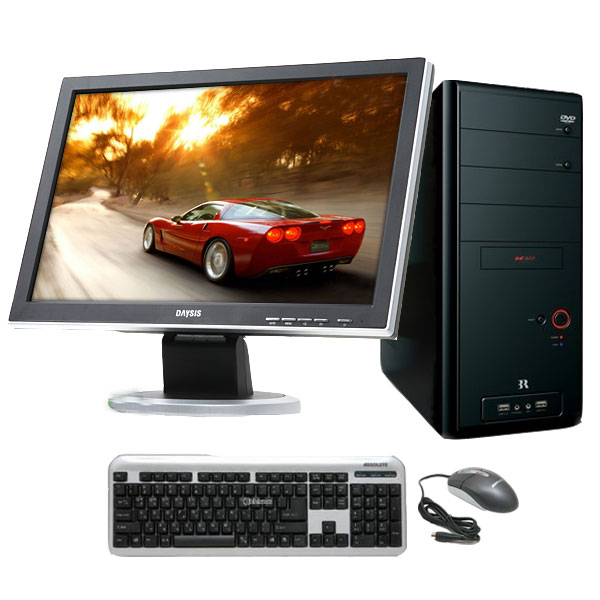
If we see the generations of computer we can find that it has been divided into five parts which are given below with some of the information.
1. First generation computer Duration: 1943-1958Memory device: Vacuum tube Features:A. Storage capacity was too small (1 to 4k).B.They were huge in size.C.The computers were used only for scientific purpose or research purpose.
2. Second generation Duration: 1959-1965Memory device: Transistor Features:A. Operation speed increased to nanoseconds.B.They possessed the characteristics such as high speed, small in size and more reliable.C.Magnetic core memory was sued as internal storage.
3. Third generation Duration: 1966-1973Memory device: Integrated circuits Features:A.Semi-conductor memory was used as primary storage.B.They used to operate in terms of nano-seconds.The computers supported different high level languages.
4. Fourth generation Duration: 1974-1990Memory device: Large Integration Features:A. The size of fourth generation computers was reduced to desk-top or lap-top size.B.They can understand billions of instructions within a second.C.Secondary storage, use of semi - conductor are the specialty of fourth generation computer
5. Fifth generation Duration: 1991- incomplete Memory device: Bio chips or parallel processing Features:A. Intelligent programs can be used in the computers.B.Computers are equipped with multiprocessing and parallel processing mechanisms. C.Computer scan even understand natural languages.
1. First generation computer Duration: 1943-1958Memory device: Vacuum tube Features:A. Storage capacity was too small (1 to 4k).B.They were huge in size.C.The computers were used only for scientific purpose or research purpose.
2. Second generation Duration: 1959-1965Memory device: Transistor Features:A. Operation speed increased to nanoseconds.B.They possessed the characteristics such as high speed, small in size and more reliable.C.Magnetic core memory was sued as internal storage.
3. Third generation Duration: 1966-1973Memory device: Integrated circuits Features:A.Semi-conductor memory was used as primary storage.B.They used to operate in terms of nano-seconds.The computers supported different high level languages.
4. Fourth generation Duration: 1974-1990Memory device: Large Integration Features:A. The size of fourth generation computers was reduced to desk-top or lap-top size.B.They can understand billions of instructions within a second.C.Secondary storage, use of semi - conductor are the specialty of fourth generation computer
5. Fifth generation Duration: 1991- incomplete Memory device: Bio chips or parallel processing Features:A. Intelligent programs can be used in the computers.B.Computers are equipped with multiprocessing and parallel processing mechanisms. C.Computer scan even understand natural languages.